Learn How a CI CD Pipeline Improves Software Delivery
Modern software development moves fast and companies want reliable releases with minimal errors. A strong automation process helps achieve this goal and that is why the CI CD Pipeline has become one of the most important systems in DevOps. It allows teams to build, test, and deploy applications in a smooth and automated way.
If you want to start a career in DevOps or improve your development workflow, learning how to build a CI CD Pipeline using Jenkins and GitHub is one of the best skills you can gain.
What Is a CI CD Pipeline
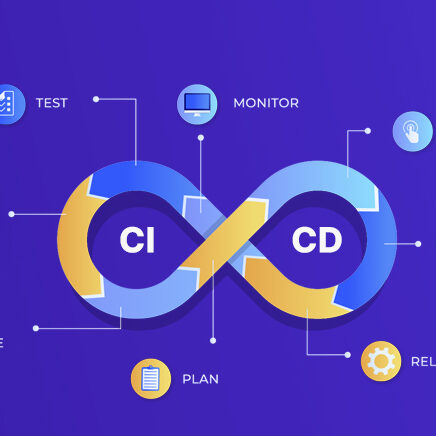
A CI CD Pipeline is a set of automated steps that help developers integrate code, test it, and deploy it without manual effort.
CI refers to continuous integration where developers push code into GitHub and Jenkins automatically runs tests and builds the code.
CD refers to continuous delivery where tested code is deployed to a server or cloud environment in an automated way.
Together, these steps create a smooth workflow that reduces errors and speeds up delivery.
Why You Should Learn CI CD Pipeline Basics
Learning the CI CD Pipeline gives you many career advantages.
- You save time by automating repeated tasks
- You improve code quality through automated testing
- You reduce human errors in deployment
- You help your team deliver updates faster
- You gain a strong DevOps foundation
Most companies today use pipelines for every project and knowing how to build one makes you job ready.
Tools You Need for a CI CD Pipeline
To create a complete CI CD Pipeline, you mainly need two tools:
GitHub
GitHub stores your source code. Developers push updates and GitHub acts as the version control system.
Jenkins
Jenkins is the automation server. It builds, tests, and deploys your code based on triggers from GitHub.
These two tools work together to create a powerful automation workflow.
Step by Step Guide to Build a CI CD Pipeline Using Jenkins and GitHub
Here is a clear and simple explanation for beginners.
Step:1 Create a GitHub Repository
Start by creating a new GitHub repository. Add your project files and code. Commit and push the changes.
Step:2 Install Jenkins
Install Jenkins on your server or local machine. Once installed, open the Jenkins dashboard in your browser.
Step:3 Install Required Plugins
In Jenkins, install plugins for GitHub integration. These plugins help Jenkins read code from GitHub and build it automatically.
Step:4 Connect Jenkins with GitHub
Create a personal access token in GitHub. Add this token in Jenkins credentials.
This allows Jenkins to access your repository securely.
Step:5 Create a New Jenkins Job
In Jenkins, click on New Item.
Choose a freestyle project.
Connect the project to your GitHub repository by adding the clone URL.
Step:6 Add Build Steps
Tell Jenkins what to do after pulling code.
For example
- Run tests
- Build the application
- Create artifacts
- Start a deployment process
Step:7 Add Automatic Triggers
Add the GitHub webhook.
This means every time you push new code, Jenkins automatically starts the pipeline.
Step:8 Deploy Your Build
Add deployment steps depending on your server or cloud setup.
This completes your CI CD Pipeline and makes your software delivery automated and reliable.
Benefits of Building Your Own CI CD Pipeline
A personal CI CD Pipeline helps you learn how real production systems work.
- It teaches you to think like a DevOps engineer
- It helps you understand automation and workflow design
- It prepares you for DevOps interviews
- It gives you practical experience for your resume
- It builds confidence to work on real projects
Companies value candidates who can design pipelines on their own and handle automation tasks.
Learn CI CD Pipeline with Kastro
At Learn With Kastro, students get hands on training with Jenkins, GitHub, Docker, Kubernetes, Terraform, and cloud platforms.
Every session includes real projects where you build pipelines that match industry standards.
Kastro teaches through practical examples and clear explanations which makes learning easy even for beginners.
If you want to become a DevOps professional, mastering the CI CD Pipeline is one of the most important steps.
Conclusion
The CI CD Pipeline is the backbone of modern DevOps. It improves development speed, product stability, and team efficiency.
By learning how to build a pipeline using Jenkins and GitHub, you gain one of the most powerful skills needed in the technology industry.
Start today and build your first pipeline. With consistent practice, you will understand automation deeply and prepare yourself for strong career opportunities in DevOps.