
Build Your Future with the Most Essential DevOps Tools
The world of information technology is growing rapidly, and automation is now the heart of every modern development process. Whether you are a beginner or an experienced engineer, mastering the right DevOps tools can transform your career.
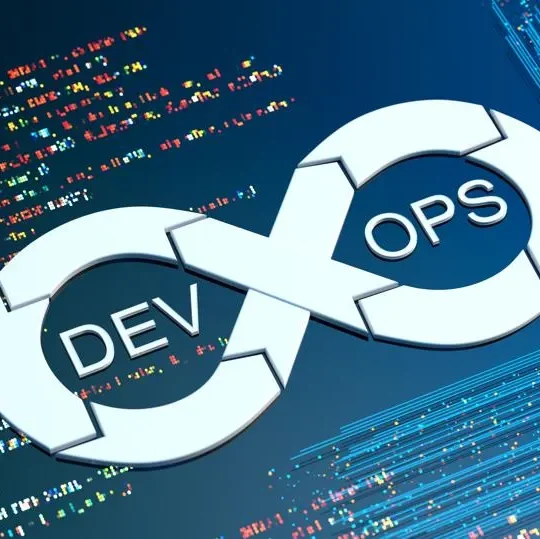
DevOps is all about collaboration, automation, and continuous improvement. It bridges development and operations to deliver better software faster. To succeed in this field, you need to be comfortable using tools that streamline these processes and improve efficiency.
Let’s explore the top ten DevOps tools you should learn to advance your career in 2025 and beyond.
1. Git
Git is one of the most widely used DevOps tools for version control. It allows developers to track changes in code, collaborate effectively, and manage multiple versions of a project with ease.
With Git, you can work in teams, create branches, merge updates, and maintain clean workflows using platforms like GitHub or GitLab. Every DevOps professional should understand Git to manage code efficiently.
2. Jenkins
Jenkins is an open-source automation server that supports continuous integration and continuous delivery. It helps automate the entire software development lifecycle.
With Jenkins, you can build, test, and deploy your code automatically every time a change is made. Its wide plugin support makes it one of the most powerful DevOps tools for automation and CI and CD pipelines.
3. Docker
Docker makes application deployment simple by using containers. It allows developers to package applications with all their dependencies, ensuring they run smoothly across any environment.
Mastering Docker gives you strong control over portability, scalability, and consistency in deployments. It is a must-learn tool for anyone serious about building a career in DevOps.
4. Kubernetes
Kubernetes is a container orchestration tool used to automate deployment, scaling, and management of containerized applications. It is essential for managing large-scale production environments efficiently.
Learning Kubernetes helps you handle complex container workflows and ensures that applications remain highly available and fault-tolerant. It pairs perfectly with Docker to simplify DevOps operations.
5. Terraform
Terraform is one of the most popular infrastructure automation DevOps tools. It uses Infrastructure as Code (IaC) to automate the setup and management of cloud infrastructure.
With Terraform, you can define infrastructure using code and deploy it across platforms like AWS, Azure, and Google Cloud. This saves time, reduces human error, and ensures repeatability.
6. Ansible
Ansible is a configuration management tool that helps automate repetitive IT tasks such as server setup, updates, and application deployment. It uses simple YAML files, making it beginner-friendly and powerful at the same time.
By learning Ansible, you can eliminate manual work, reduce downtime, and achieve consistent results across environments.
7. Prometheus
Prometheus is an open-source monitoring and alerting tool used to observe application performance and infrastructure health.
It collects metrics, stores them in time-series format, and provides real-time alerts. For anyone managing production systems, Prometheus is one of the essential DevOps tools for maintaining system stability.
8. Grafana
Grafana works beautifully with Prometheus by providing visual dashboards for monitoring data. It helps you visualize metrics like system performance, resource usage, and application health.
Learning Grafana helps you turn complex data into easy-to-read visual insights, making system analysis faster and more effective.
9. SonarQube
SonarQube is a code quality and security tool that automatically inspects code for bugs, vulnerabilities, and maintainability issues.
By integrating SonarQube with Jenkins or GitHub, you can ensure that every line of code meets high-quality standards. This makes it one of the most valuable DevOps tools for maintaining clean and reliable codebases.
10. AWS Cloud
Amazon Web Services (AWS) is the foundation of modern cloud computing. Understanding AWS allows you to build, deploy, and manage applications at scale.
Most DevOps processes today depend on cloud environments, and AWS provides a wide range of services that integrate with all the above tools. Learning AWS gives you the flexibility to work on real-time cloud projects confidently.
Why Learning DevOps Tools Can Boost Your Career
Mastering these DevOps tools gives you practical skills that employers actively look for. You become capable of automating workflows, managing cloud infrastructure, and ensuring smooth deployments — all of which are critical for modern IT systems.
Here’s how these tools help your career:
- You become job-ready for roles like DevOps Engineer or Cloud Engineer
- You can handle real-time challenges in software deployment
- You improve your ability to collaborate across teams
- You build a stronger portfolio with hands-on experience
Learning these tools also helps you move into higher-paying, in-demand roles in technology companies around the world.
Learn DevOps Tools with Kastro
Kastro’s workshops and training sessions make learning DevOps simple and practical. His teaching style focuses on project-based learning where you apply these tools in real-world projects instead of just studying theory.
At Learn With Kastro, you can:
- Work on ten or more real-time DevOps projects
- Get personal mentorship and interview guidance
- Learn Docker, Jenkins, Terraform, and Kubernetes in live sessions
- Access self-paced recorded courses for flexible learning
By mastering these tools under expert guidance, you gain both technical depth and practical confidence to take on industry roles.
Conclusion
DevOps is not just a skill; it is a complete mindset of automation, collaboration, and innovation. Learning the right DevOps tools helps you stay ahead of others and grow faster in your career.
If you are planning your next learning step, start exploring these tools today with Learn With Kastro. Build your hands-on experience, strengthen your portfolio, and prepare yourself for exciting career opportunities in 2025 and beyond.